Before Parkside
- A missed call becomes a sticky note, then a text, then a forgotten task.
- Owners ask for status because the work is scattered across inboxes and spreadsheets.
- The team knows the process, but the process is not written anywhere useful.
Free AI Workflow Savings Snapshot · PS·00 / FIELD SURVEY
A free Snapshot for one messy, repetitive business process. Parkside reviews the handoff, names likely leaks, and shows the first practical AI or automation opportunity.
No charge, no obligation, and a reply within 1–2 business days. If the workflow is not ready for automation, the Snapshot says so — and names what to fix first.
The Problem

Fig. 01 — Work, as foundScattered
The Reframe
A better tool will not fix an unclear next step.
Parkside starts with the moment work gets dropped.
Then we define the trigger, owner, deadline, and review point.
Automation comes after that.What Changes
How It Works
The free Snapshot does not start with a software recommendation. It starts with the actual path from first contact to done, then points to the first practical AI or workflow opportunity.
Review intake, missed follow-up, stale estimates, customer updates, reporting, and handoffs.
Choose one recurring workflow where better capture, routing, or visibility would matter quickly.
Create the automation, AI assist, checklist, or reporting view the process actually needs.
Make the next action visible so work stops depending on memory or one person checking everything.
Adjust the system after the team uses it, then decide what is worth building next.
What We Inspect
What We Will Not Automate
Primary Next Step
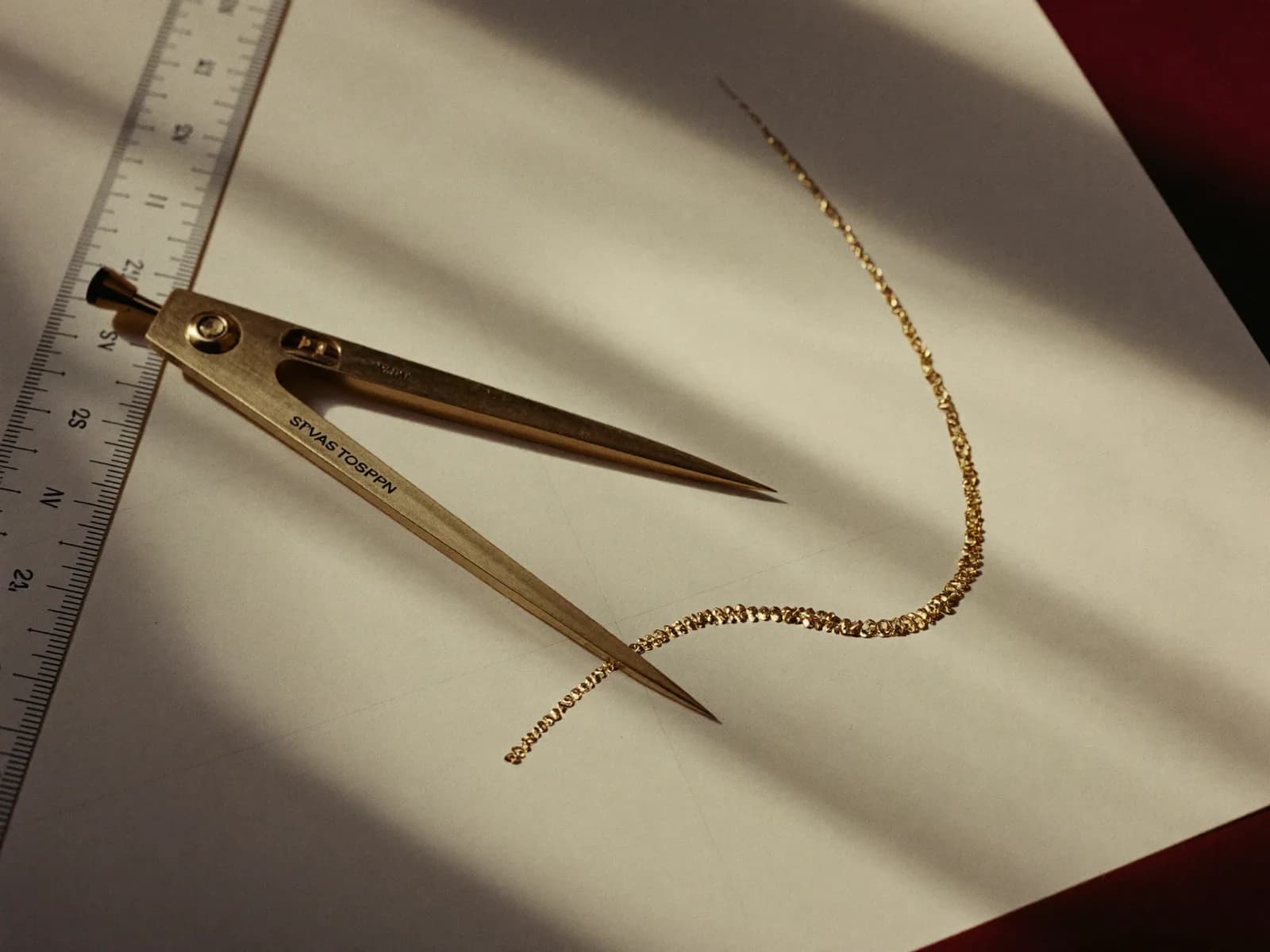
Fig. 02 — The first build, drawnPlotted
Opportunity Estimator
Answer eight short questions about the workflow — repeat volume, owner, tools, recent examples, business impact, and urgency — and get a straight recommendation: request the Snapshot, narrow the workflow first, or prepare before automating anything.
Team Enablement

Fig. 03 — The operating roomInstrumented
Field Notes
AI Readiness
Indiana's AI push is the right signal. The practical question for small businesses is which workflow to fix first.
Read the noteWorkflow Strategy
Chatbots are visible, but many businesses get faster value by fixing follow-up, routing, reporting, and ownership first.
Read the noteOperations
Tasks do not always fail where the work happens. They often fail when ownership moves from one person or system to another.
Read the noteShare the workflow. See the likely leaks. Decide what is worth building next.
Reviewed personally · Reply within 1–2 business days · No obligation